WMS + TMS + OMS enterprise stack
We build technology layers that connect warehouse, logistics, order flow, and execution.
Teknoov helps operations teams bring WMS, TMS, OMS, integration, visibility, and orchestration into one manageable structure.
WMS
TMS
OMS
Integration Hub
Enterprise-gradeTR + USA
Logistics orchestration
Air, road, ocean, and rail operations managed under one control layer.
The product does not only monitor logistics modes. It orchestrates transitions, planning, visibility, and decision flow between them.
Air
Critical shipment visibility and speed control.
Road
Flexible route and delivery execution management.
Teknoov orchestration layer
Planning, synchronization, and visibility in one flow
Warehouse, transport, order, transfer, and delivery operations come together in one decision model.
PlanningIntegrationVisibilityDecision
Ocean
Container and port execution with stronger control.
Rail
Synchronized execution across long-haul operations.
Products
Product portfolio built for operations and transformation.
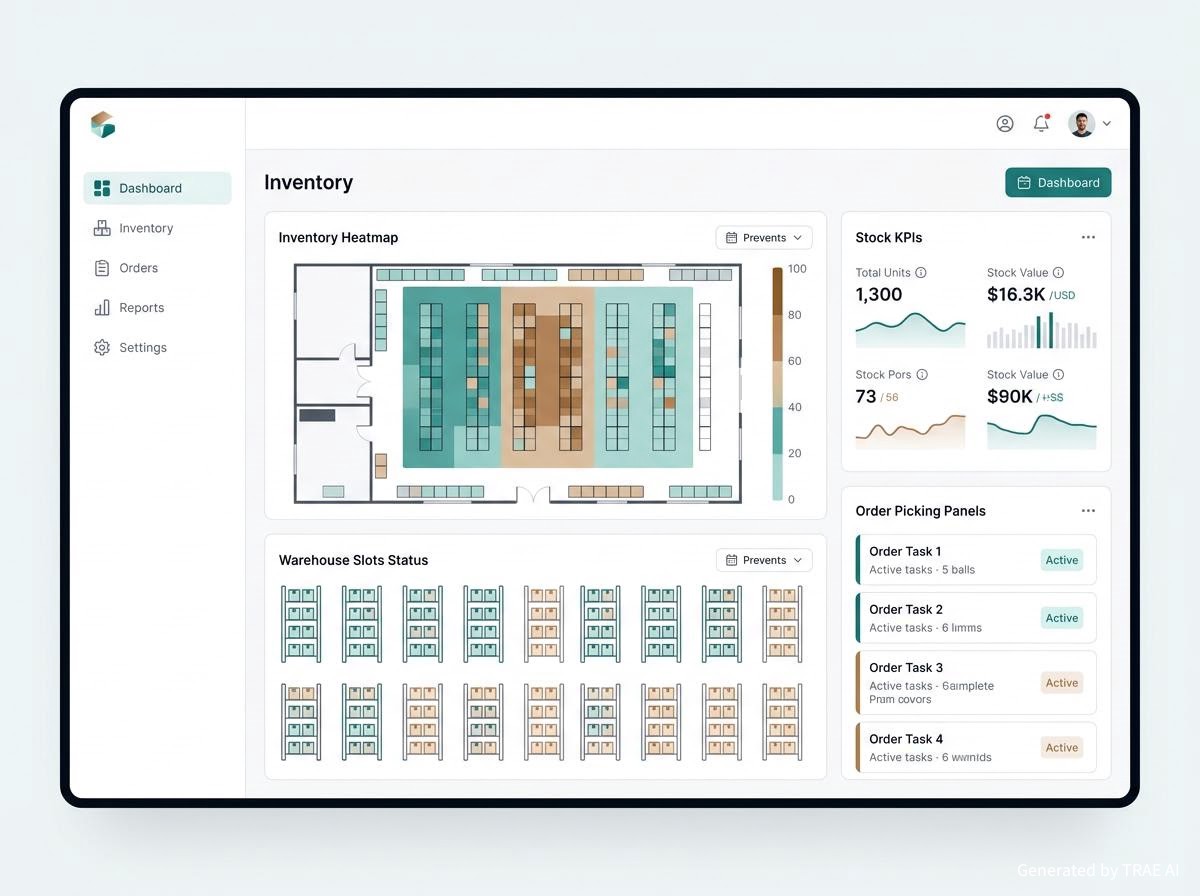
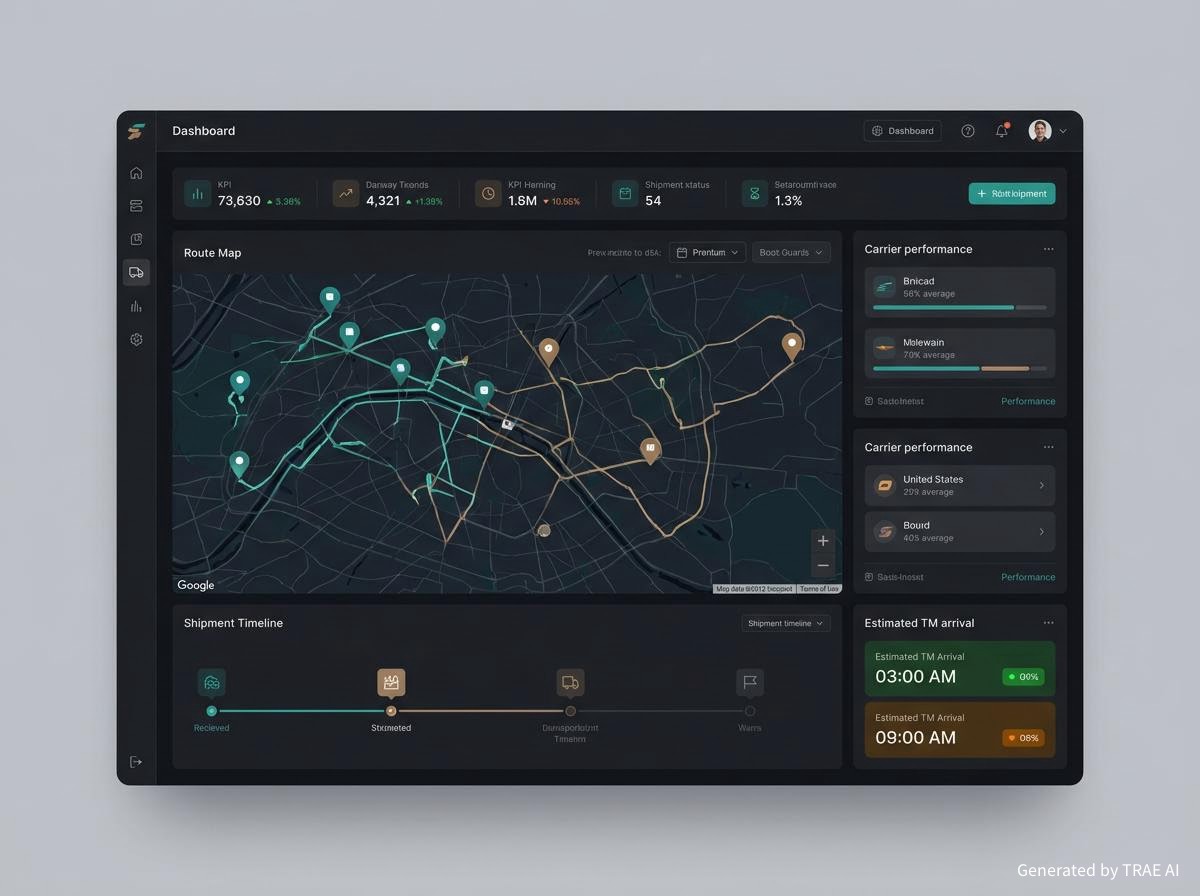
TMS
Transportation Management
Shipment planning, route visibility, and field coordination.
Explore product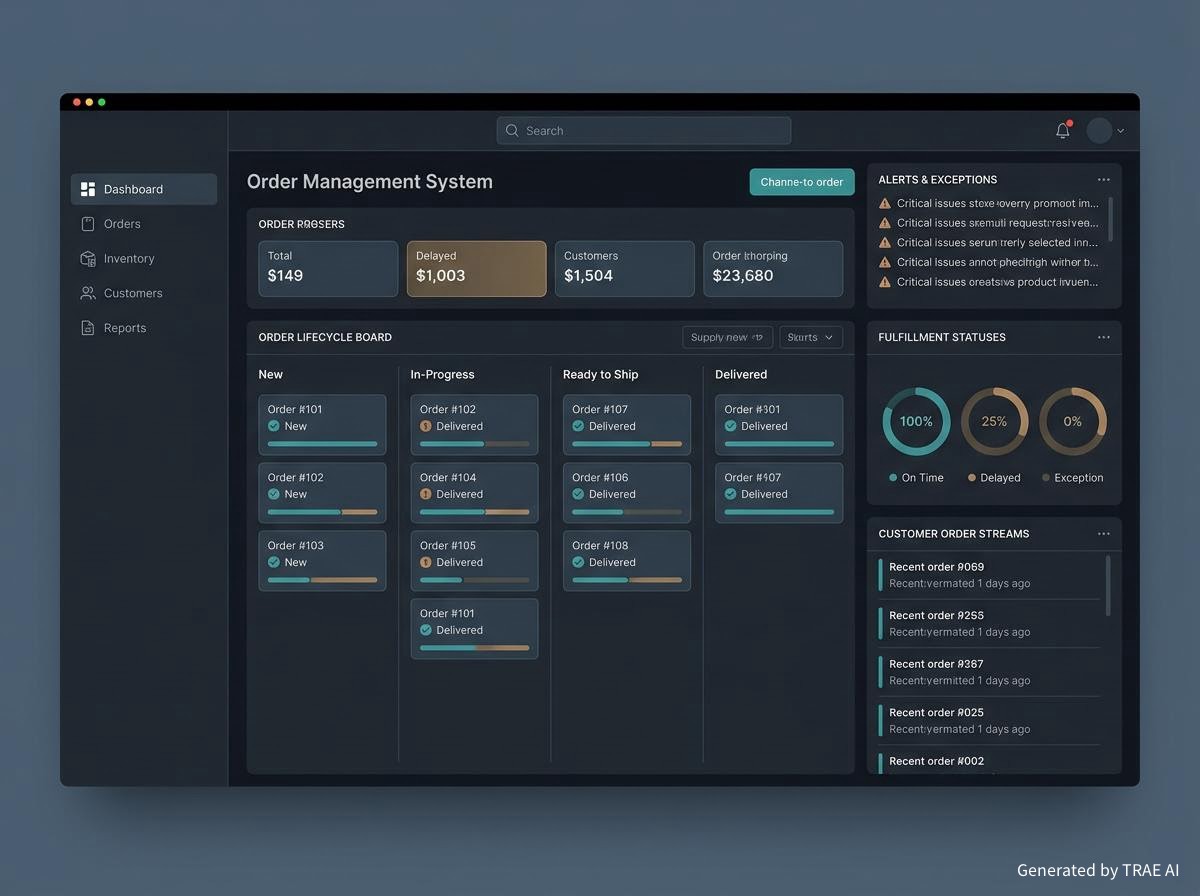
Global experience
Success stories shaped across Germany, the United States, and Switzerland.
We help warehouse and logistics teams align with global operating standards through process standardization, stronger visibility, and more disciplined execution models.
Amazon USA
Fulfillment visibility
High-volume fulfillment operations gained stronger visibility and control from order flow to shipment execution.
Situation
Under heavy order volume, warehouse and fulfillment flows were progressing across disconnected operational layers, causing delays and bottlenecks to surface too late.
Approach
OMS and WMS flows were brought into one shared visibility model so order rhythm, picking preparation, and shipment release could be managed with stronger control.
- End-to-end order visibility improved
- Critical bottlenecks were identified earlier
- Fulfillment execution became easier to control
“Once data moved inside the same operating flow, high-volume fulfillment became far more predictable.”
Bosch
Warehouse standardization
Multi-site warehouse operations were aligned around a more consistent operating model and stronger WMS discipline.
Situation
Similar warehouse operations were being executed through different workflows across locations, weakening performance consistency and process discipline.
Approach
Core warehouse flows were redefined, critical operational steps were aligned, and the WMS layer was structured to support clearer shop-floor visibility.
- Process variation between sites was reduced
- Operational visibility became more measurable
- Management teams gained a more reliable decision baseline
“Standardized warehouse execution does not only improve performance. It makes the operation far easier to govern.”
Unilever
Distribution orchestration
A more flexible and more visible logistics execution model was designed around distribution tempo.
Situation
During peak distribution periods, capacity, outbound execution, and delivery visibility could not be managed at the same speed, and cross-team coordination was forming too late.
Approach
TMS planning flow and warehouse outbound execution were synchronized to create a more visible and more adaptive operating model during critical distribution windows.
- Shipment planning and outbound execution moved in closer alignment
- Visibility improved during critical operating moments
- Cross-functional coordination accelerated
“Where speed matters most, the real advantage comes from visibility and synchronization.”
Nestlé Switzerland
Service-level discipline
High-accuracy logistics operations gained stronger traceability, KPI control, and execution discipline.
Situation
Critical delivery and distribution processes were supported by fragmented data, making service quality difficult to measure with consistency.
Approach
Operational flows were reviewed against global best practices, and KPI tracking, visibility structure, and critical control points were redesigned into a more disciplined model.
- KPI-based monitoring was strengthened
- Critical process steps were standardized
- A more sustainable operating model was built for service-level control
“High service levels become sustainable only when traceability and process discipline are built together.”